Hedge Trimming in Bermondsey

Hedge trimming in Bermondsey is a focused garden service for keeping boundary hedges, front-garden screens and planted edges neat, healthy and well-shaped through the growing season. Our work is centred on controlled cutting rather than drastic change, so the hedge keeps its intended line while benefiting from clearer structure, improved light and easier maintenance. Whether a hedge needs a tidy-up after a long spell of growth or a more careful reduction to restore its shape, the aim is the same: a clean, even finish that suits the garden and the plant.
We handle hedge trimming as part of a wider garden maintenance service, so the work can be matched to the rest of the outdoor space rather than treated in isolation. That may mean shaping a formal frontage, easing back a hedge that has become too wide, or giving softer, mixed planting a lighter seasonal trim. We also support related work such as garden maintenance and lawn mowing where a fuller tidy-up is useful alongside hedge care, helping the garden look coordinated rather than only partially finished.
For customers who want a broader refresh, we can combine trimming with other outdoor tasks from a single plan. That might include garden clearance when cuttings and surplus growth need removing, or landscape gardening where the hedge is part of a wider layout that needs rebalancing. If you are ready to discuss the job, you can request a quotation in plain text by telling us the hedge length, height and general condition.
Careful shaping for tidy boundaries
Good hedge trimming begins with a clear understanding of the hedge’s purpose. Some hedges need crisp, formal edges; others are there to soften boundaries, provide privacy or mark a change in level. We work to preserve the hedge’s function while improving its outline, paying attention to straight runs, corners, tops and transitions between different sections. Balanced cutting matters because an uneven finish can make an otherwise healthy hedge look neglected even when the growth itself is strong.
Different species and hedge forms respond differently to trimming, so the approach should be measured rather than rushed. Dense evergreen hedges often benefit from regular light shaping, while mixed or flowering hedges may need more selective cutting to avoid stripping away the season’s interest. In each case, the cutting line should be deliberate, with attention to the hedge’s natural taper and the available space around paths, drives and neighbouring planting. If you want to compare options, our hedge trimming service page provides a direct route to the core service, while services overview offers a broader look at the outdoor work we provide.
When a hedge needs more than a quick tidy
Some hedges have been left to grow for too long and need a more staged approach. In those cases, the work may involve reducing the sides carefully, leaving the top to be brought back in line later, or trimming only part of the hedge to protect shape and density. We also consider whether the hedge is close to walls, fences or paving, because that affects how the cutting can be carried out and how far the line can be brought back without stressing the plant. Where a hedge is part of a wider planting scheme, landscaping may be a relevant next step for redesigning the surrounding space.
Seasonal hedge work and plant health

Seasonal timing has a real bearing on hedge trimming, especially where birds, flowering cycles or fresh growth are part of the picture. The right moment for trimming depends on the type of hedge, how fast it grows and whether the priority is appearance, privacy or restoration. Rather than cutting simply for the sake of a schedule, we aim to shape the hedge at a point that supports healthy regrowth and avoids unnecessary stress. That creates a cleaner finish and helps the hedge remain dense rather than sparse at the edges.
Regular hedge care often works best when combined with other maintenance tasks, particularly where the hedge forms one part of a garden that quickly shows differences in treatment. We can coordinate trimming with garden maintenance, or pair it with lawn mowing when the surrounding grass and borders also need attention. For larger garden changes, the trimmed hedge may simply be one stage within a wider plan that is later continued through landscape gardening.
For jobs that involve hedge waste, awkward access or overgrown edges, it is useful to think about the finish as well as the cut itself. The removed growth should be handled so that the remaining hedge can be seen clearly and the site is left in a presentable state. If you have a hedge that is difficult to reach or mixed with other garden material, it may help to mention that when you ask for a quotation so the scope can be assessed accurately.
Trimming styles for different hedge types
Not every hedge should be cut in the same way. A formal hedge may need straight faces and a defined top, while a looser boundary hedge might look best with a softer, more natural outline. We adapt the cut to the hedge’s form, growth pattern and role in the garden, so the result looks intentional rather than overworked. Judgement matters: the best hedge trimming balances neatness with enough foliage left in place to keep the hedge healthy and visually full.
Where a hedge is serving as a visual screen, the emphasis is often on even coverage from base to top. That may require selective trimming to encourage better light distribution and avoid a heavy top that shades lower growth. In smaller gardens, the hedge may also need to stay within boundaries without making the space feel cramped. For related work on greenery management, tree lopping and removal can be relevant where trees are also affecting light, but hedges usually need a finer, more measured approach than tree work.
- Formal hedges: crisp lines and even height.
- Privacy hedges: steady shaping that keeps coverage dense.
- Boundary hedges: careful trimming to stay within space limits.
- Mixed planting: selective cuts that protect flowers and structure.
Preparing the work and understanding the quotation

To help us prepare an accurate quotation, it is useful to know the approximate length and height of the hedge, how much of it needs attention and whether there are access issues such as narrow side passages, sloping ground or nearby structures. Clear information helps define the scale of the work and the time likely to be needed, especially where the hedge has grown beyond its usual line or requires extra care around fittings, fencing or paving. If the hedge is part of a larger garden tidy, that can be included in the discussion too.
Photographs can also be helpful because they show the hedge’s shape, thickness and location in relation to the rest of the garden. They do not replace a proper description, but they make it easier to understand whether the job is a light trim, a reduction, or a more involved reset of the hedge line. If the work needs to be coordinated with other tasks, such as garden clearance for the cuttings or garden maintenance for the rest of the plot, please mention that when you enquire.
What affects the scope of the job
Several factors can influence how hedge trimming is approached: the hedge species, the amount of recent growth, the need to preserve a level top, and whether both sides of the hedge need work or only one face. Access and disposal requirements also play a part, as does whether the hedge sits near delicate planting that needs to be protected during cutting. A clear brief leads to a clearer price discussion, and it helps us recommend the most sensible level of trimming for the result you want.
Hedge trimming alongside wider garden care
Many customers want hedge trimming to sit comfortably within a broader plan for the outside space. That can include borders, grass, paths and other planted features that all benefit from being brought back into order at the same time. We can combine hedge work with lawn mowing and garden maintenance so the overall look is consistent, rather than leaving one part of the garden sharpened while the rest remains overgrown. This is particularly useful where the hedge frames the garden and sets the tone for everything else.
When a hedge has become part of a more extensive garden project, trimming may be only one piece of the work. A worn frontage, a tired boundary or a heavily planted side return can sometimes benefit from a broader rethink that goes beyond cutting back current growth. In those situations, landscape gardening can provide a route to reshaping the space, while landscaping may suit jobs that involve structural changes, planting adjustments or a clearer layout around the hedge line.
We aim to keep the process practical and straightforward: agree the scope, trim with care, and leave the garden in a tidy state once the cutting is complete. If the hedge is part of a frontage, a private rear garden or a shared boundary, the underlying principle is the same — the work should improve the look of the space without disturbing the rest of it. For a quotation, it is enough to outline what needs attention and where the hedge sits in the garden.
About Bermondsey
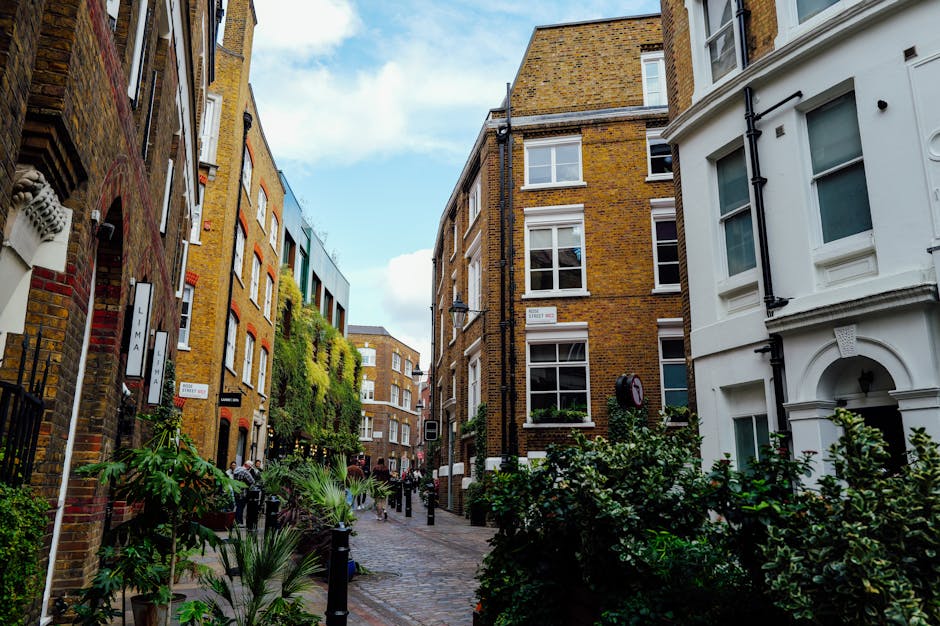
Bermondsey is a district in the London Borough of Southwark, on the south bank of the River Thames and close to the centre of London’s riverside fringe. Its name is associated with a long and layered history that includes medieval religious foundations, later industrial change and more recent regeneration. The area’s built environment reflects those shifts, with older street patterns, converted warehouse buildings and newer residential developments sitting alongside one another in a compact urban landscape. Bermondsey Spa and the wider Bermondsey Street area are among the best-known parts of the district, and they show how the neighbourhood has developed from working riverside land into a place with a mix of homes, workspaces and local destinations.
The area’s connection to the Thames has shaped its character for centuries. Warehousing, leather working, food processing and other trades once played a major role here, leaving behind a heritage of industrial buildings and infrastructure that has since been adapted for contemporary use. St Saviour’s Dock, with its narrow inlet and waterside setting, is one of the distinctive features of the district, while the nearby river walk links Bermondsey to other parts of inner London. Bermondsey also has a strong cultural identity, with galleries, food markets and independent businesses contributing to its present-day life. The fashionably restored Maltby Street Market area has added another layer to the district’s reputation, though it remains just one part of a much broader urban quarter.
Open space in Bermondsey is more limited than in suburban districts, which makes parks and small green pockets especially noticeable. Southwark Park lies to the east and provides a major recreational landscape with paths, trees, sports facilities and open lawns, while smaller squares and gardens offer quieter pauses within the built-up street pattern. Transport links, including Tube and rail access at Bermondsey station, tie the area closely to the rest of inner London, yet the district still retains a distinct sense of place through its mix of historic fabric, canalside and dockland echoes, and continued residential change. The result is an area that feels both central and local, shaped by long use, adaptation and renewal.
Cutting height, access and the final finish

The practical side of hedge trimming often comes down to working neatly around what the hedge is already doing in the garden. Tall hedges may need a measured reduction to bring the top back within reach, while narrower spaces may call for careful cutting that preserves access without overstepping the boundary. We take the hedge’s position seriously because the final finish should be tidy from the main viewpoint but also consistent along the full length, including sections that are less visible from the house.
Where a hedge borders a path or driveway, the edge line needs enough clarity to avoid encroaching on circulation space. Where it runs alongside planting beds, the trimming should keep the hedge well-defined without exposing bare sections or damaging nearby shrubs. If the hedge sits close to fences or walls, the work may need a lighter hand on one side than the other. In some cases, a simple trim is enough; in others, the hedge needs more deliberate reshaping to restore proportion after a spell of unchecked growth.
For jobs that include a sizeable amount of waste or where branches have grown thick and woody, it can be sensible to combine trimming with garden clearance so the finished space is easier to use straight away. If the hedge is only one element of a bigger tidy-up, our wider services overview can help frame the rest of the work. Request a quotation when you are ready and we will use the details you give to shape the right level of hedge care.
Keeping hedges healthy between trims
A well-trimmed hedge is easier to maintain between visits when its structure is kept sensible from the outset. That means avoiding unnecessary bulk at the top, keeping the sides even and not allowing one section to surge ahead of the rest. Healthy hedge care is often about moderation: enough cutting to maintain shape, but not so much that the hedge loses density or becomes stressed. The best finish is one that looks deliberate in the present and sensible for the next stage of growth.
Customers sometimes ask whether a hedge should be shortened, widened or brought back in one go. The answer depends on species, current condition and how much growth has been left unchecked. Some hedges can tolerate firmer reduction, while others do better with gradual adjustment. That is one reason we prefer to discuss the hedge itself rather than rely on a generic rule. If the hedge also forms part of a broader planting arrangement, related work such as landscaping or tree lopping and removal may be relevant where taller growth is influencing shade or shape.
Helpful next steps: note the hedge length, height and access; mention whether disposal is needed; and say if you want a light tidy or a more substantial reshaping. Those few details are usually enough to start a sensible quotation discussion. If the rest of the garden also needs attention, it may be worth adding garden maintenance to the conversation so the hedge work sits within one clear plan.
Requesting a quotation for hedge trimming

When you request a quotation for hedge trimming in Bermondsey, the most useful thing is a clear description of what the hedge looks like now and what you want it to look like afterwards. A short note about the hedge type, approximate size, current growth and any obstacles nearby will usually help set the work in context. If there are several hedges, or if only one side of a shared boundary needs attention, that is useful to mention too. The aim is to make the scope of the job clear so the quotation reflects the work properly.
If the hedge is part of a larger outdoor tidy, you can mention that alongside trimming. We can then consider whether the job is best handled as a focused hedge visit or as part of broader support that includes garden maintenance or garden clearance. Where the work is more ambitious and you are planning changes beyond simple cutting, landscape gardening may be the more suitable route. In every case, clear details help keep the quotation accurate and the finished result aligned with the garden’s needs.
For a straightforward start, send a brief description of the hedge and its condition, then ask for a quotation in plain text. If you are ready to move ahead, please request a quotation now and tell us what needs trimming.